Durability and Environmental Performance of Resin Toys

High-Precision Detail Reproduction: Craft Features of Resin Toys
2025-12-20
Advantages in Diverse Designs and Color Expression of Resin Toys
2026-01-03
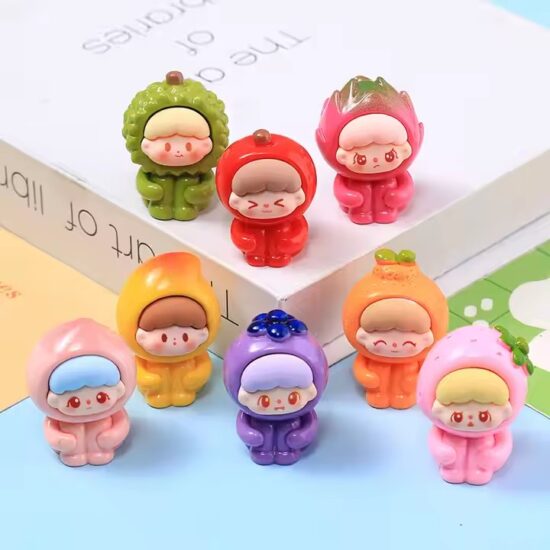
Durability and Environmental Performance of Resin Toys
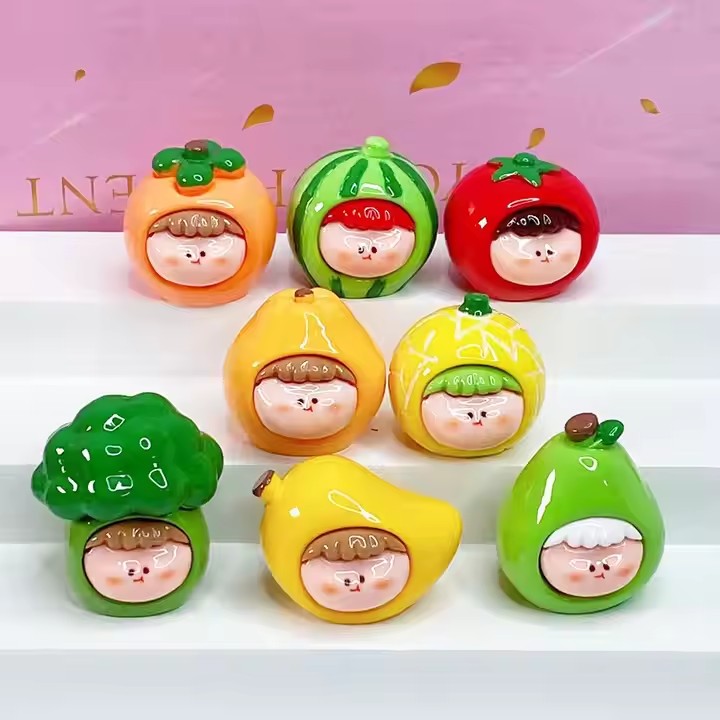
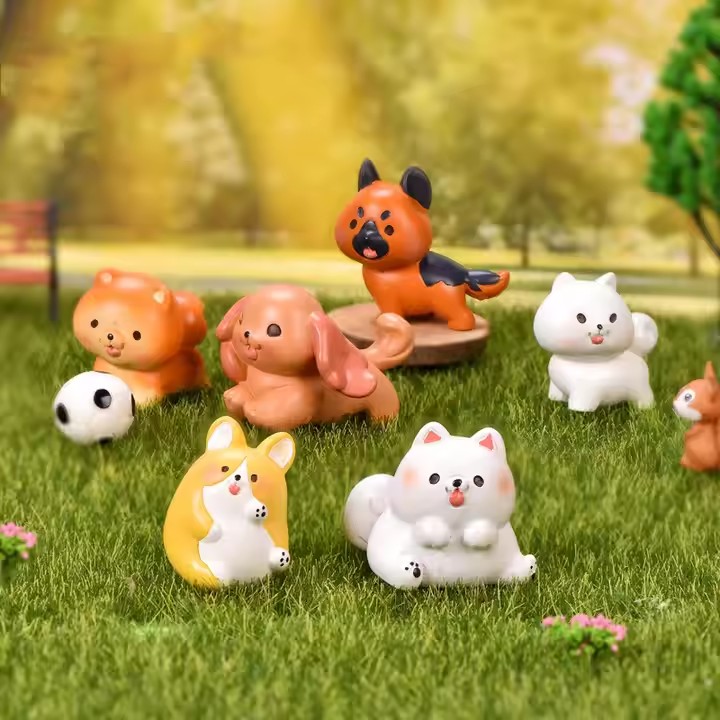
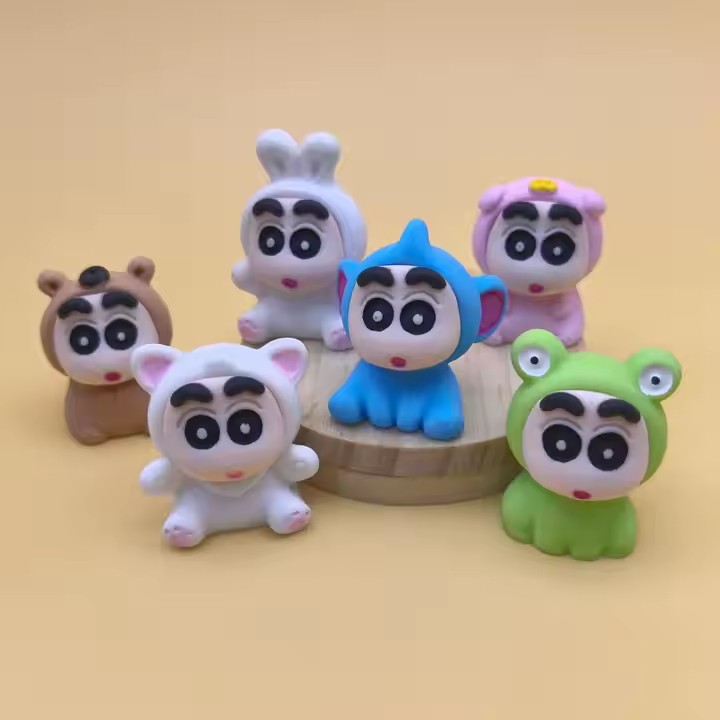
Resin toys have earned a special place in the collectibles and designer toy market due to their intricate detail and premium quality. However, beyond their artistic appeal, understanding the durability and environmental performance of resin toys is crucial for manufacturers, collectors, and environmentally conscious consumers alike.
In this article, we examine how resin toys perform in terms of longevity and sustainability.
1. 🛡️ Durability of Resin Toys
Resin is known for its rigidity and strength, which contributes to the toy’s durability:
-
Resistance to wear: Resin toys can maintain their shape and detail over time with proper care.
-
Fragility concerns: While resin is strong, it is also brittle compared to flexible plastics, meaning it can crack or chip if dropped or handled roughly.
-
Suitable for display: Resin toys are best suited as collectible display pieces rather than toys for active play.
Proper packaging and handling can significantly extend the life of resin toys, preserving their intricate details.
2. 🌿 Environmental Considerations
The environmental performance of resin toys depends on several factors:
-
Material composition: Most resin used in toys is synthetic and non-biodegradable, which raises concerns about long-term environmental impact.
-
Production processes: Resin casting can generate waste, but small-batch production typical of resin toys reduces mass production’s ecological footprint.
-
Recycling challenges: Resin materials are generally difficult to recycle compared to more common plastics.
-
Emerging alternatives: Research into bio-resins and eco-friendly casting materials is ongoing, promising greener options for the future.
Manufacturers and consumers are increasingly aware of these factors and seek ways to minimize environmental impact through responsible sourcing and disposal.
3. 🌍 Balancing Quality and Sustainability
While resin toys offer unmatched detail and collector appeal, balancing quality with environmental responsibility is a challenge:
-
Brands can focus on limited editions to avoid overproduction.
-
Using eco-friendly paints and coatings can reduce chemical impact.
-
Encouraging consumers to preserve and reuse collectibles extends product life cycles.
These practices help maintain resin toys’ desirability while addressing environmental concerns.
✅ Conclusion
Resin toys provide exceptional durability and detailed craftsmanship but come with environmental challenges related to material composition and recycling. As the collectibles market evolves, increased attention to sustainable materials and responsible manufacturing will enhance the environmental performance of resin toys.
At [Your Company Name], we are committed to quality craftsmanship while exploring eco-friendly innovations in resin toy production.
📩 Interested in sustainable resin toy manufacturing?
Contact us to learn more about our environmentally conscious production practices.